
My Approach
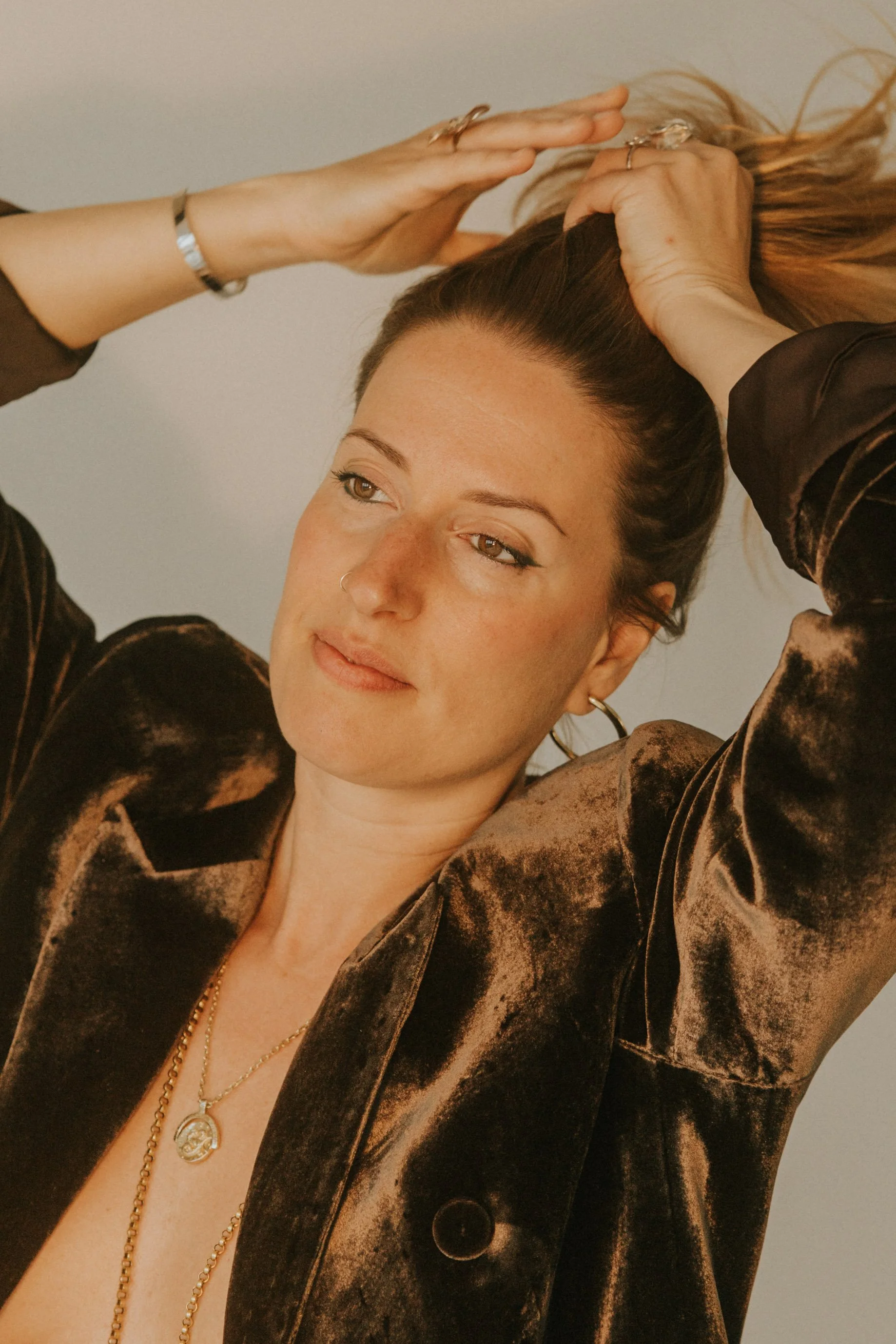
Image-Making as Psychological ExplorationArt therapy is not about artistic performance. It is a psychologically grounded practice that uses creative expression as a way to access feelings, patterns and internal narratives that may be difficult to reach through words alone.
In sessions, images are explored as meaningful material rather than judged aesthetically. This creates space for reflection, emotional processing and a clearer sense of self.
A process-based approach
My work is process-based, relational and psychologically grounded.
The creative process is not used to produce a beautiful result. It becomes a way of observing, expressing and understanding what is present. Materials, gestures, images and words are explored together, at a pace that respects the person or family.
The image is not interpreted from a distance. Instead, we look at it together: what appears, what repeats, what is avoided, what feels surprising, what carries emotion, what begins to make sense.
The process is the result.
Some experiences are layered, emotional or pre-verbal. They may be felt in the body, acted out in relationships, repeated in patterns or carried silently for years. Art therapy can help give form to these experiences. It may be especially supportive when words feel too direct, too limited or not yet available, as often happens in intercultural family realities, adolescence, burnout, grief, relocation, emotional pressure or inner transition.

Cultures, roles and inner transitionsI am trained in psychological art therapy and work with adults, adolescents and children. My approach combines image-making, reflection and dialogue to support emotional processing, self-understanding and psychological change.
Alongside my clinical work, my background in international strategic and creative leadership gives me a strong understanding of pressure, transition, identity and responsibility. This is especially relevant for clients navigating complex personal or professional demands.
SGM Art Therapy is especially attuned to people living between worlds.
Cultures
Families and individuals navigating language, belonging, relocation, mixed cultural identity or different emotional codes.
Roles
Women and adults carrying responsibility, leadership, caregiving, performance or professional identity.
Inner transitions
Moments of change, uncertainty, emotional complexity, loss, becoming or the need to reconnect with oneself.
Through art therapy, these layers can become visible and gradually more understandable.
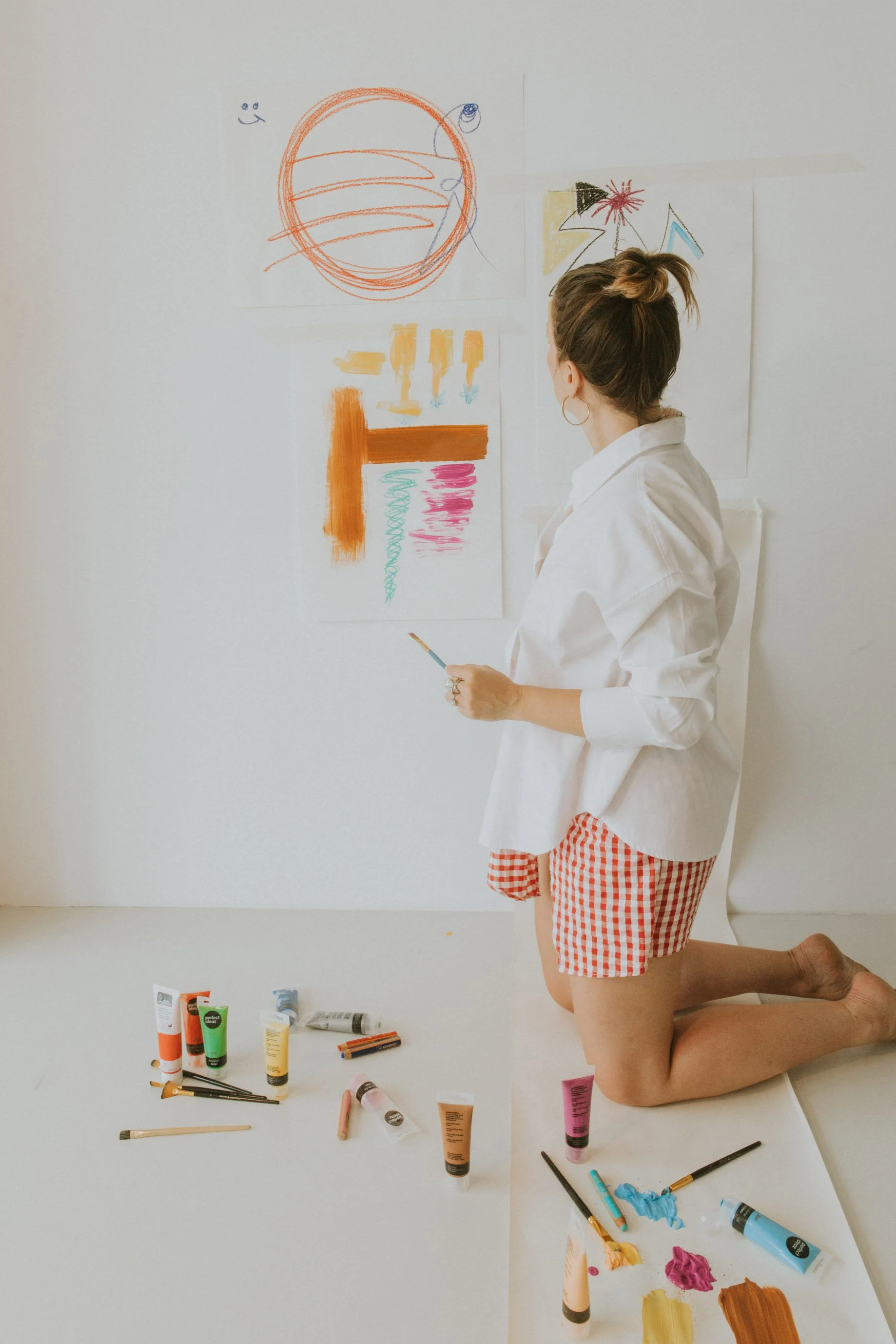
What happens in a session?
A session may include drawing, painting, collage, clay, writing, objects or other materials.
Sometimes the process begins with a question or theme. Sometimes it begins with what is present in the moment. After creating, we spend time looking at the image or object together, noticing associations, feelings, memories, tensions or possible meanings.
No artistic skill is required.
The focus is not on what the image looks like, but on what it opens, reveals or helps you understand.
Professional frame:
Sessions are confidential and held within clear therapeutic boundaries.
My approach is informed by psychological art therapy training, clinical experience with children, adolescents and adults, artistic practice, and many years in international creative and business environments.
The work is adapted to each person or family and may be short-term, focused or ongoing.